Experts Warn GUARD Act Could Block Teens from Basic Internet Tools, Not Just Dangerous AI
Congressional Leaders Push Sweeping Internet Restrictions on Minors
A key vote on the GUARD Act is expected this week as lawmakers rush to curb risks from AI companions. The bill's stated goal is to protect minors from harmful AI interactions. Yet critics say the legislation's broad definitions will lock teens out of everyday online services.
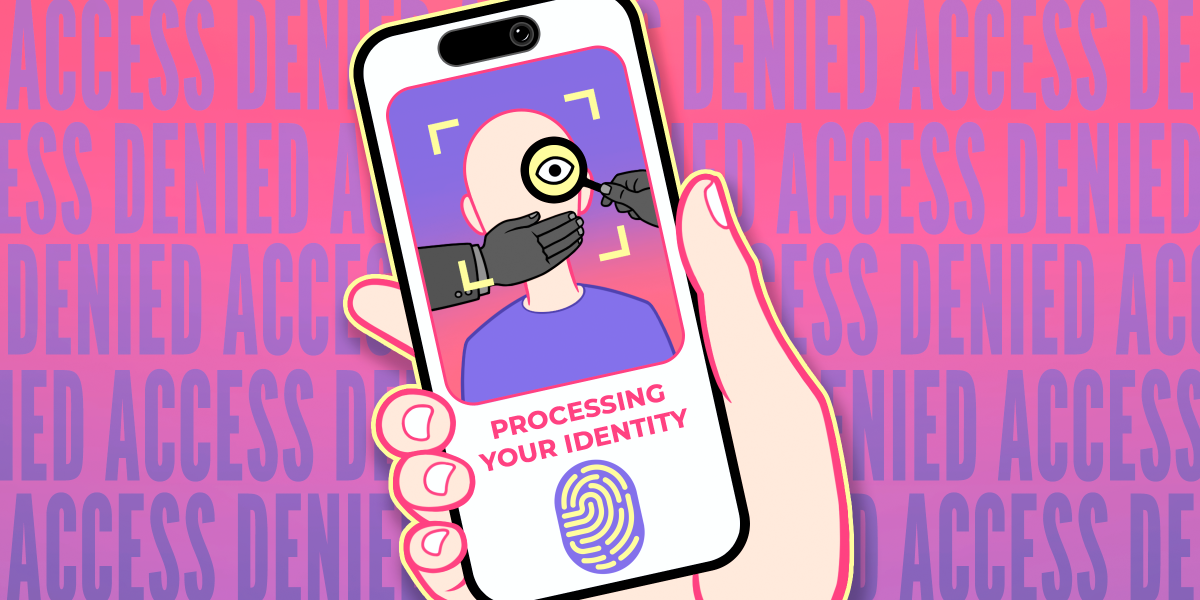
"The GUARD Act doesn't just target creepy chatbots—it would require age verification for any AI-powered tool, including search engines and homework helpers," said Michelle Turner, a tech policy analyst at the Center for Digital Rights. "That means a high school student could be blocked from using a standard math tutor app."
Background: The Hidden Reach of the GUARD Act
The bill defines an "AI chatbot" as any system generating responses not fully pre-written. This sweeps in basic functions of all AI tools, from customer service bots to general-purpose assistants. An "AI companion"—banned entirely for minors—includes any chatbot that produces human-like responses and encourages interpersonal or emotional interaction.
"A customer service bot that says 'I'm sorry you're having trouble' could qualify as an AI companion under this fuzzy definition," explained Dr. James Hartwell, a law professor specializing in internet regulation at Georgetown University. "Companies facing steep penalties will likely block all minors rather than risk a violation."
The bill is framed as a response to alarming cases of AI companions harming vulnerable youths. However, its text goes far beyond targeting risky chatbots. It would require platforms to verify every user's age, then block anyone under 18 from interacting with a wide range of online systems.
What This Means: Privacy Risks and Blocked Everyday Tasks
If enacted, the GUARD Act would force all users—not just kids—to submit to privacy-invasive age-verification systems. "Adults will have to sacrifice their privacy to access simple tools like a math tutor or product return chat," Turner said. "This undermines parental guidance and treats every interaction as potentially dangerous."

The legislation would also block teens from essential online functions. A teenager trying to return a defective item could be kicked out of a standard customer-service chat. A student asking for help with algebra problems could be denied access to a homework bot. "These are everyday tasks, not worst-case scenarios," Hartwell added. "The bill's sponsors say they're targeting extreme risks, but they're regulating routine use."
The concerns behind the bill are serious. Reports of AI systems engaging in harmful interactions with young users, including those involving self-harm, have fueled calls for action. But experts argue for targeted solutions. "We need better safeguards and enforcement against bad actors—not sweeping restrictions that block learning and communication," Turner said.
Conclusion: A Need for Precise Solutions
Lawmakers face a critical choice this week. The GUARD Act, as written, could transform how teens access the internet—cutting off educational tools, customer support, and general-purpose assistants. "The risks deserve attention, but this bill goes too far," Hartwell concluded. "Targeted solutions are urgently needed, not a blanket block on everyday AI use."