Tesla's Self-Driving Promise: One Owner's Court Victory and Ongoing Battle
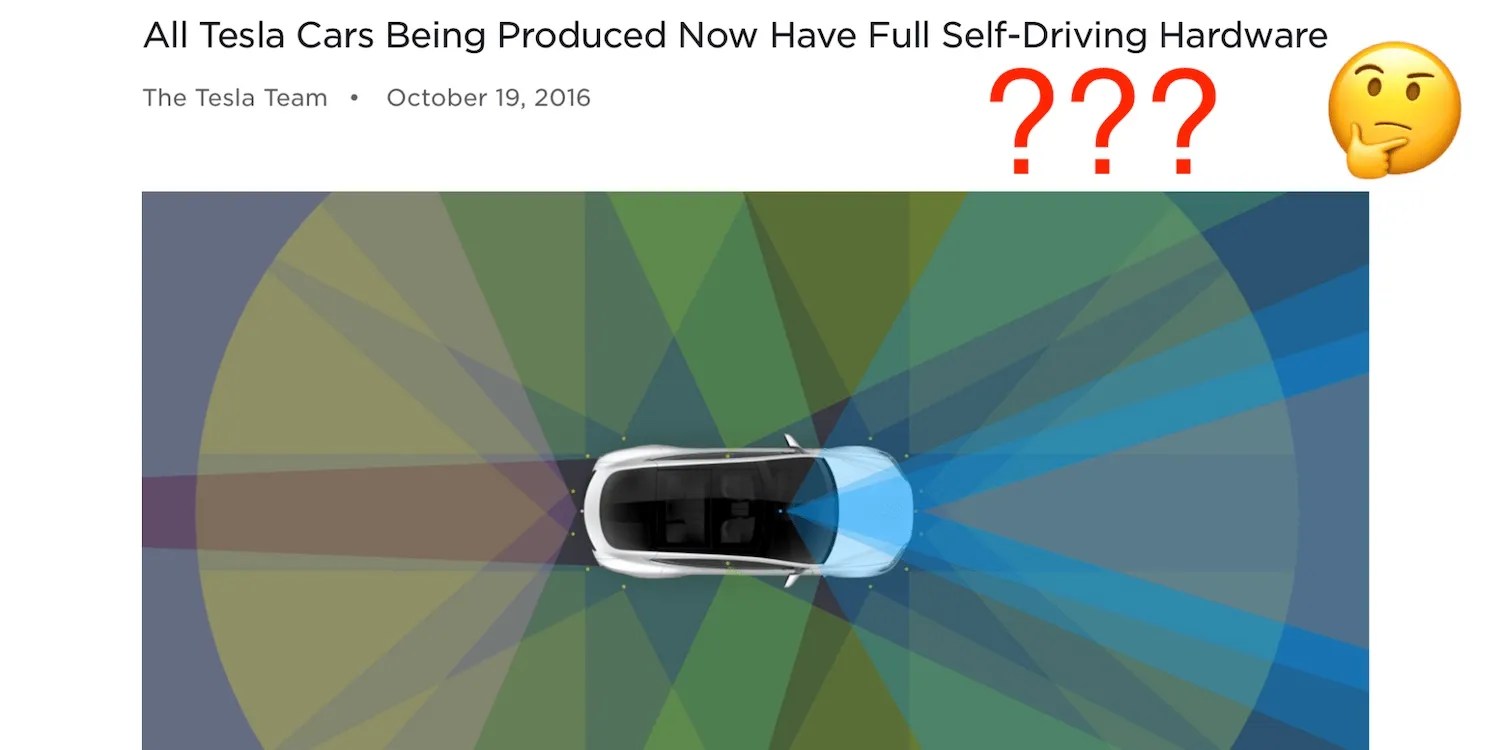
For over a decade, Tesla has marketed its vehicles as capable of full self-driving, claiming every car produced since 2016 has the necessary hardware. However, the actual software feature—dubbed Full Self-Driving (FSD)—has remained in beta for years, failing to deliver on its promise. This gap between marketing and reality has led some owners to seek legal recourse. One such owner, Ben Gawiser, recently secured a $10,600 judgment against Tesla for misrepresentation. Yet even after the court's ruling, Tesla continues to use legal maneuvers to delay payment. This Q&A explores the case and its broader implications.
What was Tesla's original promise regarding self-driving?
Tesla has repeatedly claimed that all vehicles produced since 2016 are equipped with the hardware necessary for full self-driving. In 2016, CEO Elon Musk stated that every new Tesla would include the sensor suite and computing power needed for Level 5 autonomy—meaning the car could drive itself under any conditions. Customers who purchased the Full Self-Driving (FSD) package were led to believe that a software update would eventually unlock this capability. However, despite years of development, the FSD feature remains in beta and requires constant driver supervision. Tesla has not yet delivered a truly autonomous system, leading many buyers to feel misled.
Who is Ben Gawiser and what did he win in court?
Ben Gawiser is a Tesla owner who purchased the Full Self-Driving package based on the company's claims. After years of waiting for the promised functionality that never fully materialized, he decided to take legal action. In a small claims court, Gawiser argued that Tesla had engaged in deceptive marketing and failed to deliver the product it advertised. The court agreed, awarding him a judgment of $10,600. This amount likely reflects a partial refund for the FSD option he bought. The case became a high-profile example of individual consumers challenging the company's unfulfilled promises.
How has Tesla responded to the judgment?
Despite the court's ruling in favor of Gawiser, Tesla has not readily paid the $10,600. Instead, the company has employed legal tactics to delay the payment, even seeking extensions of just a few days at a time. This ongoing resistance suggests that Tesla is unwilling to accept the verdict and may be trying to discourage other similar lawsuits. The company's legal team has filed appeals and motions that prolong the process, forcing Gawiser to continue his fight for the refund. Tesla's behavior indicates it will use all available resources to avoid setting a precedent that could trigger a wave of claims from other dissatisfied FSD purchasers.
What does this case mean for other Tesla owners?
Gawiser's victory is a potential beacon for thousands of other Tesla owners who bought the FSD package and feel cheated. While his case was in small claims court, it demonstrates that individual consumers can successfully argue that Tesla's marketing was misleading. However, the company's aggressive legal response shows it will fight these claims fiercely. Owners considering legal action may face similar delays and costs. Collectively, this case could pressure Tesla to offer refunds voluntarily or face a class-action lawsuit. For now, the win provides a roadmap but also highlights the challenges of holding a deep-pocketed company accountable.

Why is Tesla still fighting this small claim?
Tesla's decision to contest a relatively modest $10,600 judgment may seem perplexing, but it makes strategic sense. The company likely fears that paying this claim could embolden other owners to file similar suits, leading to massive financial liabilities. Furthermore, an admission of fault in one case could be used as evidence in others. By dragging out the process, Tesla sends a message that it will not make paying refunds easy. The legal costs of fighting far exceed the judgment itself, but the company is investing in protecting the broader narrative that its self-driving technology is not yet fully developed—and that customers assumed the risk.
What are the broader implications for Tesla's FSD marketing?
This case underscores a growing regulatory and legal scrutiny of Tesla's advertising. In the U.S., the Federal Trade Commission has investigated consumer complaints about deceptive autonomous driving claims. Internationally, regulators in Germany and other countries have ordered Tesla to tone down its language. The Gawiser judgment adds a private enforcement layer, showing that courts can also find Tesla's promises misleading. If more such cases succeed, the company may be forced to change its marketing strategy, possibly dropping the term 'Full Self-Driving' for a beta product. Ultimately, this could slow Tesla's ambitious autonomous driving rollout but also protect consumers from overhyped expectations.