OpenFactBook: The Free Global Encyclopedia That Replaces the CIA's World Factbook
Introduction: A Legacy Lost and Found
For over six decades, the Central Intelligence Agency (CIA) maintained an extraordinary public resource known as The World Factbook. This free reference guide offered detailed profiles of every country on Earth, plus non-state entities like the European Union, packed with fascinating and often surprising data. However, in early 2025, the CIA abruptly discontinued and deleted the entire Factbook online—ending a project that began as a printed volume in 1962.
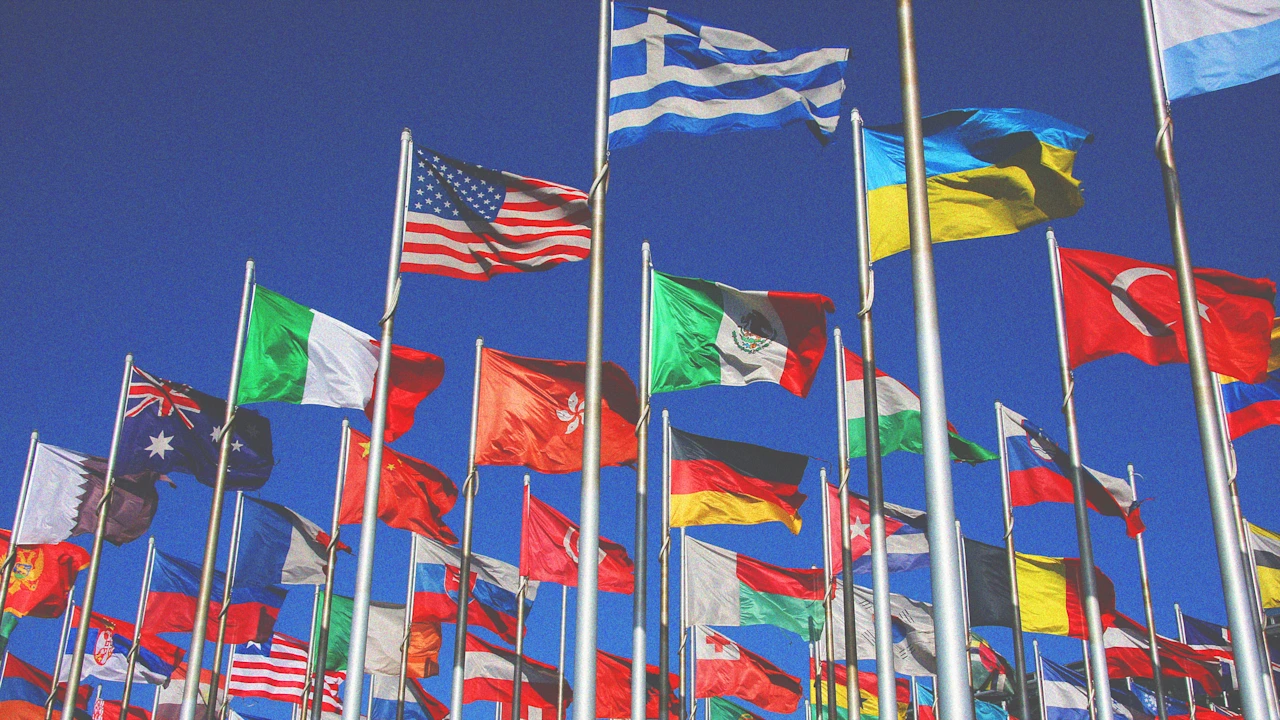
Yet as is often the case with treasured online resources, the internet community stepped in. A team of volunteers quickly launched a successor called OpenFactBook, preserving all that valuable information and making it freely accessible once again. Here's everything you need to know about this digital resurrection.
What Was the CIA World Factbook?
The CIA first published The World Factbook in 1962 as a confidential government reference. Over the years, it evolved into a public-facing compendium of geographic, demographic, economic, and political statistics for every recognized nation. It became a go-to source for journalists, researchers, students, and curious citizens alike.
Its content ranged from basic facts (capital cities, populations, languages) to esoteric details (elevation extremes, land use percentages, military expenditures). The Factbook also included maps, brief historical backgrounds, and comparative data—all free and without paywalls.
The Shutdown Announcement
On February 4, 2025, the CIA announced it would permanently shut down The World Factbook. All pages were deleted simultaneously, leaving a void for those who relied on this unique dataset. The agency offered no replacement or explanation beyond citing a shift in priorities.
Enter OpenFactBook: A Community-Driven Revival
Just weeks after the CIA's deletion, a new site—OpenFactBook—appeared online. It is a community-maintained repository that faithfully replicates the original Factbook's structure and data, while adding fresh updates from modern sources.
The project combines:
- Archived content from the original CIA Factbook
- Current statistics from the World Bank Group
- Additional information via the REST Countries API
This hybrid approach ensures that OpenFactBook remains accurate, up-to-date, and free for everyone. There are no downloads, no sign-ups—just a straightforward website.
Key Features of OpenFactBook
Country Pages with Compelling Stats
Each country page opens with a concise overview: a map, key statistics (population, area, GDP), and a short history. Scrolling further reveals dozens of data points—from internet users per capita to environmental indicators. The layout is clean, almost minimalist, but the depth of information is immense.
You'll discover delightful quirks, like:
- Vatican City: Highest elevation is the Vatican Gardens (78 meters), lowest is Saint Peter's Square (19 meters), and 0% of land is used for agriculture.
- Singapore: One of the highest population densities in the world.
- Greenland: Over 80% covered by ice cap.
The Compare Countries Tool
One standout feature is the Compare Countries option in the top navigation. Select two or more nations, and OpenFactBook generates a side-by-side breakdown of their statistics. This is ideal for:
- Visualizing relative land area, population, or economic output
- Comparing standard-of-living metrics such as life expectancy or literacy rates
- Analyzing military spending, energy consumption, or CO₂ emissions
The comparison tool makes complex geostrategic analysis instantly accessible to anyone—a feature the original Factbook never offered so seamlessly.
How It Works: Simple and Accessible
OpenFactBook is a plain old website—no app required. Just point your browser to the site and start exploring. The interface is English-only, but the global data transcends language barriers.
The project is open-source and relies on volunteer contributions. Anyone can suggest updates or corrections via the community forum, ensuring the resource stays accurate and comprehensive.
Best of all, it's completely free—no paywalls, no subscriptions, and no hidden costs. There's even an optional donation link for those who wish to support the hosting and development.
Why OpenFactBook Matters
The disappearance of the CIA's Factbook left a gap not only for trivia lovers but for educators, policymakers, and journalists who depended on its reliability. OpenFactBook fills that gap with a modern, crowd-sourced alternative that respects the original's legacy while improving upon it.
Whether you're a student researching a term paper, a traveler curious about your next destination, or just someone who loves exploring the world's diversity, OpenFactBook puts a rich tapestry of data at your fingertips.
Getting Started
To begin browsing, simply visit OpenFactBook.io. Choose a country from the dropdown or use the interactive map. From there, dive into the stats, compare nations, and uncover the kind of information that once made the CIA Factbook a cult favorite among data enthusiasts.
The internet has a remarkable habit of preserving what governments discard. OpenFactBook is proof that community collaboration can keep vital resources alive—and maybe even make them better.
Conclusion
The story of the CIA World Factbook's demise and rebirth is a testament to the power of open knowledge. With OpenFactBook, the world's data remains accessible to all—no clearance needed.
So go ahead, explore the highest point of Vatican City or compare the GDP of Canada and Germany. The world is waiting, and it's all just a click away.