Android's Gemini Intelligence: A New Era of Autonomous Smartphone Interaction
We didn't see it coming—and honestly, neither did Apple. At its latest showcase, Google unveiled what may well be the most significant leap in artificial intelligence to date: Gemini Intelligence. This technology brings to life the long-imagined concept of an agentic AI—one that can autonomously execute complex, multi-step tasks across your phone's apps and services. As you watch, your screen seems to come alive, moving through actions as if it were a living newspaper from a Harry Potter film. It's futuristic, it's tempting, and it fundamentally challenges how we think about our relationship with our smartphones.
The Dawn of Agentic AI on Android
What Is Gemini Intelligence?
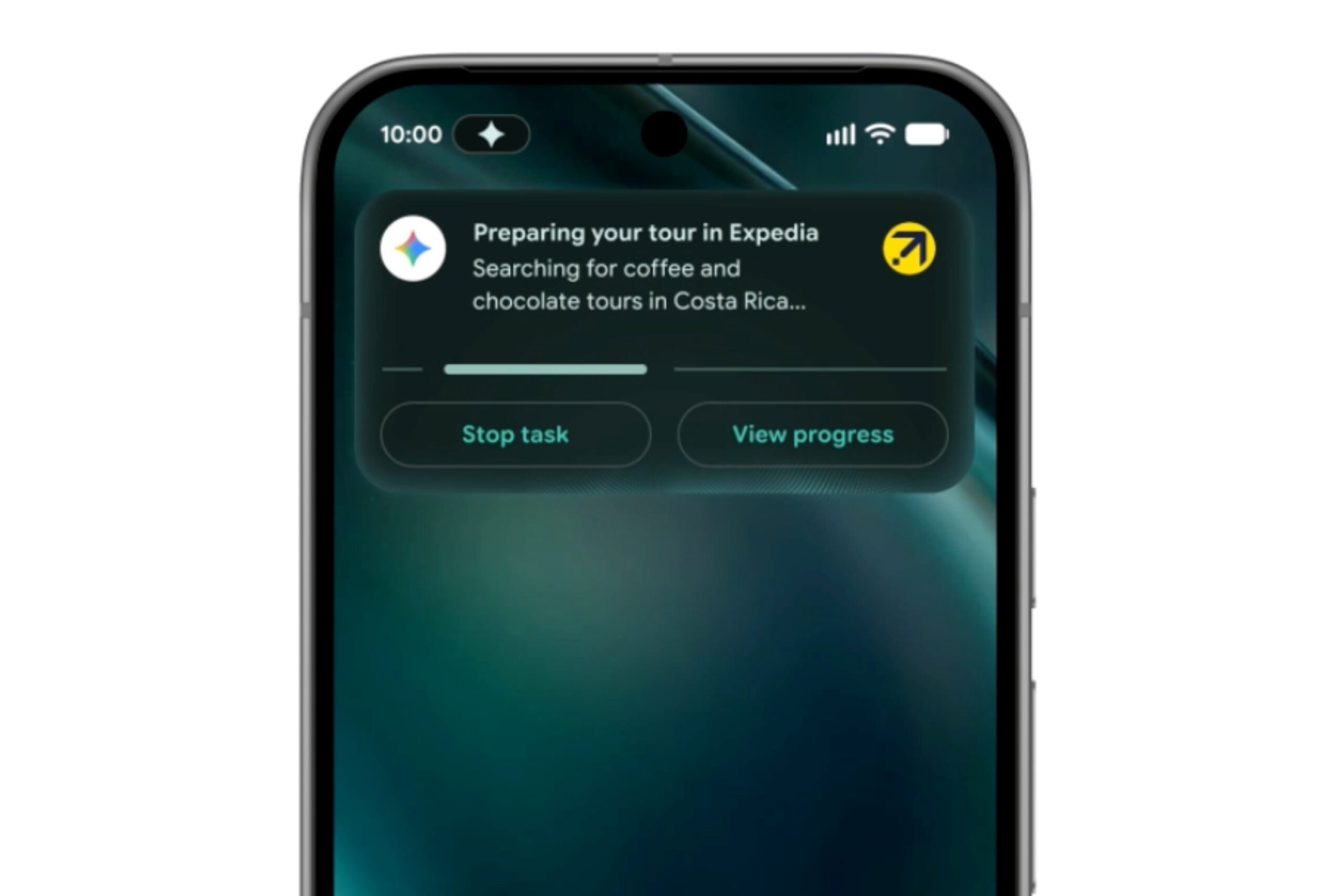
At its core, Gemini Intelligence is an advanced AI system integrated deeply into the Android ecosystem. Unlike traditional voice assistants that respond to single commands, Gemini can understand context, form plans, and execute a series of actions without step-by-step user input. Need to book a flight? Gemini can search for options, compare prices, check your calendar, send a message to your travel companion, and even complete the purchase—all while you merely observe. This capability, often called agentic mode, transforms the phone from a tool you operate into an autonomous agent that acts on your behalf.
The demonstration was startlingly smooth: the AI navigated through apps, filled forms, made decisions, and adapted to unexpected prompts. It's the kind of experience that feels pulled from science fiction, yet here it is, ready to reshape our daily digital tasks.
How It Changes the User's Role
From Active Operator to Passive Supervisor
For years, using a smartphone meant direct manipulation: tapping, swiping, typing, and making every decision yourself. With Gemini, that dynamic shifts. The user moves from being the primary operator to a supervisor who watches actions unfold and occasionally approves outcomes. This shift is profound—it frees you from drudgery but also places you in a new, less engaged position. The question arises: do you actively participate, or merely hover and supervise?
Approval vs. Autonomy: The New Dilemma
Another critical aspect is the balance between granting AI autonomy and retaining control. Will you need to approve every action Gemini takes? Or will you let it execute tasks fully, trusting its decisions, and only step in when something goes wrong? This introduces a new kind of digital relationship where trust in AI becomes paramount. Too much oversight defeats the purpose of delegation; too little risk errors that could be costly or embarrassing.
The Philosophical Question: What's Left for the User?
The Joy of Doing vs. the Efficiency of Delegation
If Gemini can search, plan, compare, reply, and execute tasks on your behalf, where exactly do you fit into the process? This is not just a practical question but a philosophical one. There is a certain satisfaction in completing tasks yourself—the sense of accomplishment, the learning experience, the feeling of control. Delegating everything to an AI might make life more efficient, but could it make us less engaged, less skillful, and ultimately less satisfied? The Android experience has always been about customization and direct interaction; agentic AI might shift that to a more passive consumption of outcomes.
Consider the act of replying to an email. Currently, you read, think, and type. With Gemini, it can read the email, generate a response, and send it after your approval—or even without asking. The efficiency is undeniable, but the human touch is diminished. The question becomes: is convenience worth the loss of agency?
Practical Implications for Android's Ecosystem
Trust, Security, and the Need for Guardrails
Allowing an AI to operate your phone autonomously raises serious security concerns. What if Gemini misinterprets a request and sends sensitive information to the wrong contact? What if a malicious app exploits its capabilities? Google will need to implement robust permissions, transparent logs, and easy override mechanisms. Users must feel safe that their AI assistant won't make catastrophic mistakes. This also means rethinking app permissions—Gemini might need access to everything to function effectively, creating a single point of failure.
How Android's Purpose Evolves
If Gemini can do everything for you, what's the point of Android itself? The answer may be that Android becomes a platform for AI agents rather than a direct manipulation interface. The operating system's value shifts from the quality of its touch interactions to the depth of its AI integration, the openness of its APIs, and the trustworthiness of its agentic layer. Google is betting that users will prefer a phone that does things for them over one that requires constant input. This could redefine competition with Apple, as each company tries to make its AI more capable, more trustworthy, and more human-like in its decision-making.
Embracing the Shift, Cautiously
Gemini Intelligence is undeniably impressive and offers a glimpse into a future where our devices act as proactive partners. However, the transition requires careful thought about the role we want to play—active participants or passive recipients. The most successful adoption will likely be a hybrid model: let the AI handle routine, multi-step tasks while we reserve the creative, emotional, and high-stakes decisions for ourselves. As with any powerful tool, the key is learning when to trust it and when to take control back.
Ultimately, the point of Android—or any smartphone—may not disappear, but it will transform. The phone becomes less of a tool you wield and more of a partner you collaborate with. And that partnership, when designed right, could be the most empowering shift in personal technology since the advent of the touchscreen.