Preventing Wind Turbine Blade Failures from Lightning Strikes: A Comprehensive Step-by-Step Guide
Introduction
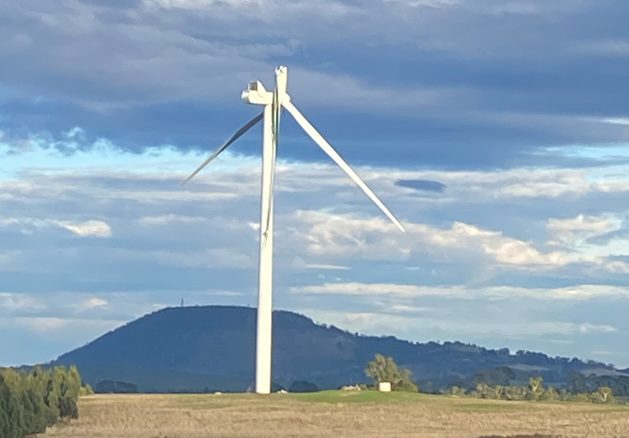
Wind turbine blade failures are rare but potentially catastrophic events. In Victoria, Australia, a turbine blade broke and fell to the ground at a wind farm in 2019 after a lightning strike, and a similar incident occurred again recently. These events highlight the critical need for robust lightning protection and maintenance protocols. This guide provides a systematic approach to mitigating the risk of lightning-induced blade failures, ensuring both safety and operational reliability.

What You Need
- Lightning risk assessment data – local lightning strike frequency, intensity, and historical patterns.
- Lightning protection system (LPS) components – receptors, down conductors, grounding, and surge protectors.
- Inspection tools – drones, cameras, ultrasonic sensors, and access equipment for visual and structural checks.
- Monitoring software – SCADA systems, blade condition monitoring (BCM), and lightning detection networks.
- Emergency response kit – safety gear, communication devices, and fall protection for site personnel.
- Maintenance crew – trained technicians with expertise in blade repair and LPS verification.
Step-by-Step Guide
Step 1: Conduct a Lightning Risk Assessment
Begin by evaluating the lightning exposure of your wind farm. Use historical lightning data from meteorological services (e.g., the Bureau of Meteorology) and specialized lightning detection networks. Identify high-risk areas – such as the wind farm in Victoria where lightning strikes have previously caused blade damage. Determine the probability of a strike hitting a turbine based on its height, location, and surrounding terrain. This assessment informs the design and retrofitting of lightning protection systems.
Step 2: Install or Upgrade Lightning Protection Systems (LPS)
Every turbine must have a certified LPS tailored to blade geometry. Install receptors at blade tips and along the blade surface to intercept lightning currents. Connect receptors via down conductors embedded inside the blade to the nacelle, then to a low-resistance grounding system (<10 ohms). Include surge protection devices for electrical equipment. For existing turbines, retrofit components as needed – especially after a near-miss or a known failure like the 2019 incident. Test the system for continuity and grounding resistance annually.
Step 3: Establish Regular Inspection Protocols
Schedule visual and non-destructive inspections at least twice a year, and after every thunderstorm event. Use drones with high-resolution cameras to capture blade surfaces for cracks, burn marks, or delamination. Perform ultrasonic scans to detect internal damage. In the wake of a lightning strike, immediately inspect the struck turbine and neighboring units – shockwaves can cause hidden faults. Document all findings in a digital log for trend analysis.
Step 4: Implement Continuous Monitoring and Data Analysis
Integrate blade condition monitoring systems that record acoustic emissions, vibrations, and lightning strike sensors. Use SCADA data to correlate power fluctuations or alarm signals with storm activity. Analyze trends: if a blade shows increased strain after a strike, schedule a detailed examination. Also, subscribe to real-time lightning warning services to preemptively shut down turbines during severe storms, reducing the risk of catastrophic failure.
Step 5: Develop an Emergency Response Plan
Prepare a clear protocol for when a blade fails or is severely damaged. Establish communication lines with local authorities, grid operators, and the maintenance team. Secure the area with fencing and signage to prevent public access – falling blade debris is a safety hazard. Have a rapid response team on standby to remove broken parts and assess root cause. Update the plan based on lessons learned from historical incidents, such as the Victoria events, to improve future prevention.
Tips for Long-Term Success
- Stay updated on standards – Follow IEC 61400-24 (wind turbine lightning protection) and local regulations.
- Use redundancy – Install multiple receptors and conductors to ensure protection even if one path fails.
- Educate personnel – Train all staff on lightning safety protocols, both for personal safety and turbine protection.
- Collaborate with manufacturers – Share inspection data with OEMs to improve blade designs and retrofits.
- Review after each storm – Post-storm reviews help identify weaknesses before they lead to failures like the one in Victoria.
By following these steps, wind farm operators can significantly reduce the likelihood of lightning-induced blade failures, ensuring safer and more reliable energy production.