BYD's Megawatt Flash Charging: Speed Meets Heat – Battery Safety Under Scrutiny
The Breakthrough of Megawatt Flash Charging
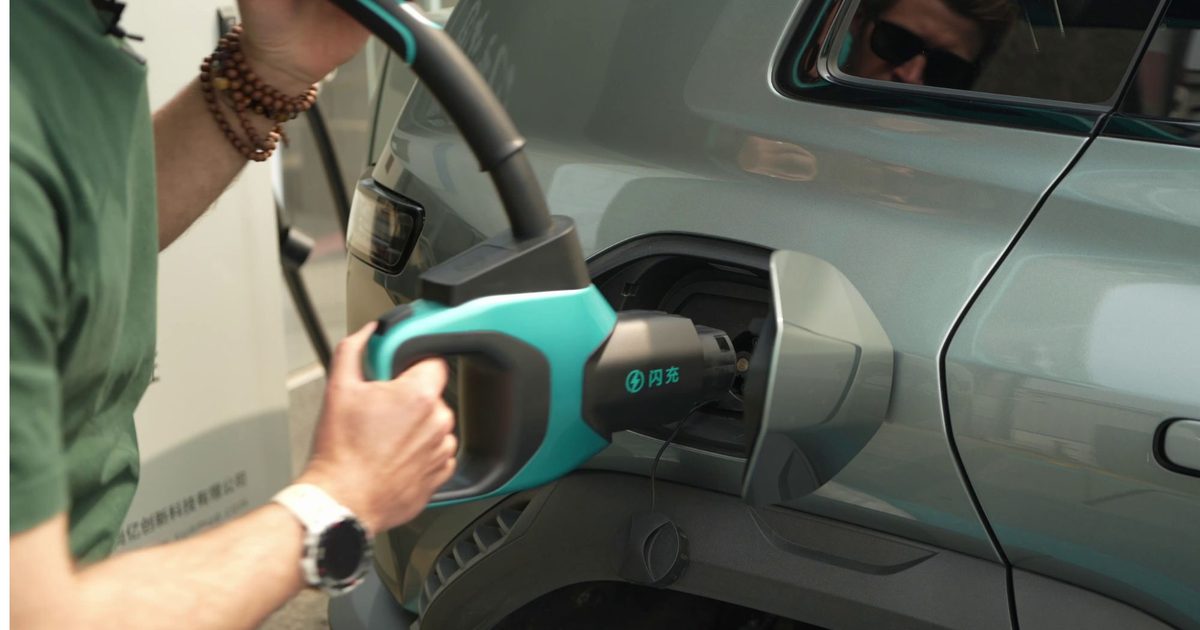
In the race to eliminate range anxiety, BYD has pushed the envelope with its Megawatt Flash Charge technology, promising to recharge electric vehicles (EVs) in minutes rather than hours. This system leverages ultra-high power levels—up to 1,000 kW—to drastically cut charging times. Yet as groundbreaking as this speed is, real-world testing has revealed a concerning side effect: battery temperatures soaring to levels that challenge established safety norms.

How Fast Is Flash Charging?
BYD's flash charging can add over 400 kilometers (250 miles) of range in just 5 minutes, matching the refueling experience of gasoline cars. This is achieved through advanced thermal management and proprietary cell chemistry. However, the trade-off for such rapid energy transfer is intense heat generation, raising questions about the long-term viability of the technology for everyday drivers.
Real-World Test Reveals Temperature Spike
A recent independent evaluation of BYD's Megawatt Flash Charge system captured startling data. During a high-speed charging session, the battery pack reached an internal temperature of 169.6°F (76.4°C). This reading significantly exceeds China's recommended safety ceiling for lithium iron phosphate (LFP) cells, which typically caps at around 60°C (140°F) for routine operation. The test highlighted immediate thermal stresses that could impact both safety and battery life.
Temperature Readings and Safety Thresholds
China's national standards for LFP batteries, outlined by the Ministry of Industry and Information Technology, set a maximum operating temperature of 55°C (131°F) for continuous use, with short-duration peaks allowed up to 60°C. The recorded 76.4°C thus sits well outside the comfort zone. Even during pulse charging, such high thermal loads can accelerate degradation of the electrolyte and cathode materials, leading to capacity fade over time.
Implications for Lithium Iron Phosphate Battery Health
LFP batteries are known for their safety and long cycle life compared to nickel-manganese-cobalt (NMC) cells. However, no lithium-ion chemistry is immune to heat-induced aging. At temperatures above 60°C, the following issues become more pronounced:
- Electrolyte decomposition: Organic solvents in the electrolyte break down, forming gas and reducing ionic conductivity.
- SEI layer destabilization: The solid-electrolyte interphase (SEI) that protects the anode can thicken or crack, consuming lithium and increasing internal resistance.
- Cathode material stress: LFP olivine structures can experience particle fracture under thermal expansion, reducing capacity.
- Lithium plating: At elevated temperatures during fast charging, lithium metal may deposit on the anode, posing dendrite risks and efficiency losses.
BYD's Blade Battery Design
BYD's Blade Battery, a structural LFP pack, is engineered for better heat dissipation via elongated cell shapes and cooling channels. Yet the test results suggest that even this advanced architecture struggles to keep temperatures within safe bounds during extreme charging. The company may need to enhance active cooling or implement smarter charging algorithms that limit power input as the pack warms up.
Regulatory Context and Safety Standards
China's GB/T standards for EV batteries set clear thermal limits to prevent thermal runaway and ensure passenger safety. The observed temperature spike approaches levels where irreversible damage occurs. While BYD has not publicly commented on this specific test, the findings prompt a broader discussion about the threshold for ultra-fast charging. For consumers, consistently operating at such high temperatures could mean a shorter battery warranty life or the need for more frequent replacements.
The Road Ahead for Ultra-Fast Charging
BYD is not alone in pursuing megawatt-level charging—competitors like Tesla and Chinese startups are also developing 800V and 1000V architectures. The key challenge remains balancing speed with durability. Innovations on the horizon include:
- Advanced thermal interface materials: Better heat transfer from cells to cooling plates.
- Variable charging curves: Dynamic power reduction based on real-time temperature feedback.
- Phase-change cooling: Using materials that absorb heat during charging and release it during rest periods.
- Solid-state batteries: Next-generation cells inherently less prone to thermal runaway.
Until these technologies mature, drivers of flash-charging EVs may need to accept a trade-off: maximum speed only for occasional top-ups, not daily use, to preserve battery health.
Conclusion
BYD's Megawatt Flash Charge is an engineering marvel that demonstrates the potential for EV refueling in minutes. However, the real-world temperature of 169.6°F raises legitimate concerns about the longevity and safety of LFP cells under such extreme conditions. While BYD's blade design offers some thermal advantages, the industry must continue to innovate in battery cooling and charging protocols. For now, consumers should be aware that ultra-fast charging may come at the cost of accelerated battery degradation, and regulatory bodies may need to update safety guidelines to reflect these new performance levels.