How to Develop a Major Solar Farm with Co-Located Battery Storage: Lessons from Neoen's Australian Project
Introduction
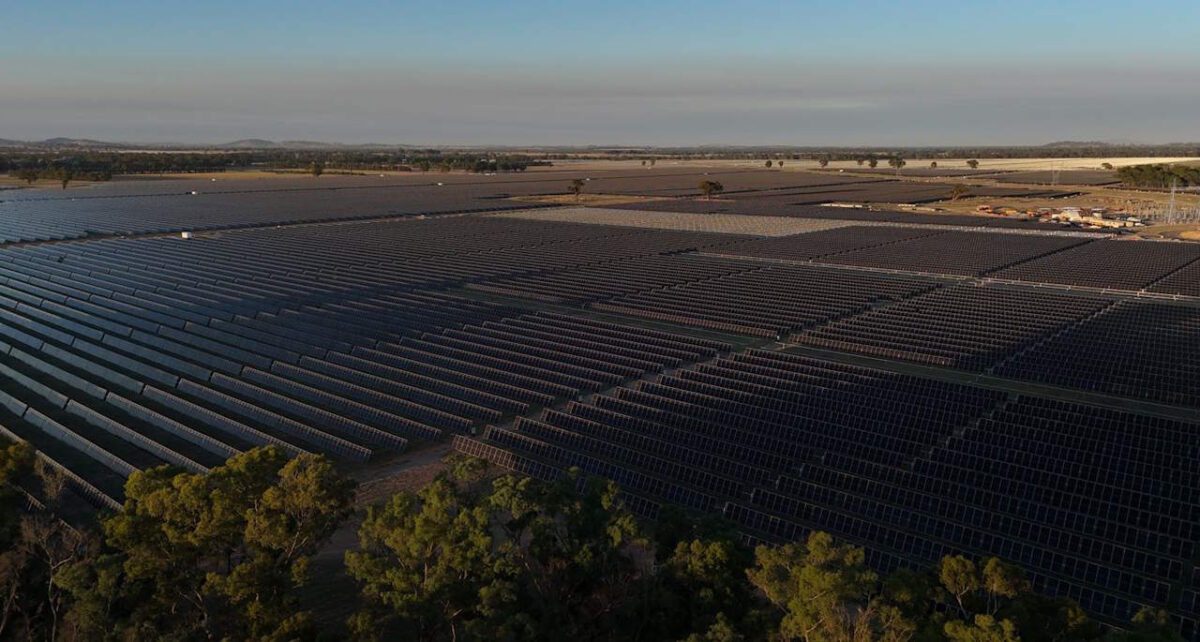
Australia just added another giant to its renewable energy fleet: one of the country's largest solar farms, built by Neoen, is now live — and it comes with a promise of a co-located big battery soon after. This milestone isn't just a headline; it's a playbook for developers aiming to replicate such success. Whether you're an aspiring project developer, an investor, or a policy maker, understanding the step‑by‑step process behind a utility‑scale solar farm plus battery storage is invaluable. In this guide, we'll walk through the key phases — from initial concept to grid connection — drawing on the real‑world example of Neoen's Australian achievement.

What You Need
- Land: Large, flat, cleared parcels (≥200 hectares) with good solar irradiance.
- Grid connection approval: From the local transmission or distribution network operator.
- Environmental and planning permits: Federal, state, and local approvals (especially for land use, flora/fauna, heritage).
- Financial backing: Equity partners, debt finance, or Power Purchase Agreements (PPAs).
- Equipment: PV modules, inverters, mounting structures, transformers, switchgear, and — for the battery — lithium‑ion or flow battery systems.
- Experienced EPC contractor: Engineering, Procurement, and Construction firm with track record in utility‑scale PV + storage.
- Operations & Maintenance (O&M) team: For ongoing monitoring, cleaning, and battery management.
Step‑by‑Step Guide
Step 1: Site Selection and Feasibility Assessment
Begin by identifying a region with high solar irradiation, low cloud cover, and proximity to existing transmission infrastructure. Conduct a site survey to evaluate terrain, soil conditions, and constraints (environmental sensitivity, community opposition). Use tools like PVsyst or Helioscope to estimate annual energy yield. Simultaneously, start early dialogues with the local network operator to understand connection capacity and costs. Neoen's success relied on picking sites with strong irradiance and available grid capacity — a lesson in due diligence.
Step 2: Secure Permits and Grid Connection Agreements
This is often the longest phase. Apply for a connection application with the network operator; negotiate a connection agreement detailing technical requirements (inverter ride‑through, voltage control) and cost allocation. Separately, file environmental impact statements, secure planning consent from local councils, and obtain any native vegetation or water approvals. For co‑located batteries, you may need additional permits for energy storage (fire safety, hazardous materials). Engage a legal team specialising in energy regulation. Neoen navigated Australia's complex state‑by‑state rules to get green lights.
Step 3: Financial Structuring and Power Purchase Agreements
With permits in hand, raise capital. Common structures include 70–80% debt (project finance) and 20–30% equity. Lenders will require a long‑term PPA with a creditworthy off‑taker (e.g., a utility, supermarket, or government). For the battery, consider hybrid PPAs (solar + storage) or arbitrage revenue models. Neoen’s project benefited from a mix of revenue contracts and corporate PPAs. Work with financial advisors to model cash flows and secure tax equity if applicable (e.g., in the US; Australia has other incentives like Large‑scale Generation Certificates).
Step 4: Procurement and Construction
Issue a request for proposal (RFP) for EPC services. Evaluate bids on price, schedule, warranty, and experience with co‑located batteries. Award contracts for modules, inverters, trackers (if used), and battery systems. Construction involves:
- Civil works: access roads, fencing, foundation posts for mounting structures.
- Electrical installation: cabling, inverters, medium‑voltage transformers, substation.
- Battery installation: containerised units, cooling systems, fire suppression.
- Connection to the grid: high‑voltage transmission line or switching station.
Neoen’s project was built in phases — first the solar farm, then the battery — but you can co‑locate from the start. Ensure the EPC contractor manages interface risks between PV and battery.
Step 5: Commissioning and Testing
Before commercial operation, test every component. Start with individual systems: inverters, battery modules, transformers. Then perform integrated tests: ramp rate control, reactive power capability, black start (if required by grid code). For the battery, test state‑of‑charge balancing, response to frequency events, and thermal management. Achieve commercial operation date (COD) when all requirements are met. Neoen’s solar farm reached COD on schedule; the battery will follow after separate commissioning.
Step 6: Add the Co‑Located Big Battery
Once the solar farm is running, you may install the battery in a second phase — or integrate it in parallel. The battery should be sized to capture solar over‑generation (e.g., 8–4 hours of discharge) and provide grid services (frequency regulation, inertia). Ensure the battery management system (BMS) communicates with the solar plant controller. Neoen plans to install a big battery next to its new solar farm, following the successful model of the Hornsdale Power Reserve. Advantages of co‑location: shared grid connection, reduced curtailment, and higher capacity factor.
Tips for Success
- Start grid queue early: In Australia, grid connection constraints are the biggest bottleneck. Secure a queue position years ahead.
- Future‑proof for battery: Design the substation and internal electrical system to accommodate battery connection from day one — even if battery installation is deferred.
- Optimise PPA for storage: Negotiate contracts that reward time‑shifting (peak hours) rather than just flat energy delivery.
- Monitor regulatory changes: Australia's Renewable Energy Target, state renewable zones, and battery incentives evolve; stay flexible.
- Engage local communities: Proactive communication about jobs, land co‑use (e.g., sheep grazing), and visual impact reduces delays.
- Use proven technology: Neoen chose established PV module and battery suppliers to minimise performance risk.
By following these steps — and learning from Neoen’s journey — you can bring a large‑scale solar farm with co‑located battery from concept to reality. The clean energy transition is accelerating; now is the time to power up.