GameStop's $55.5 Billion Bid for eBay: A Bold Move with Many Questions
Introduction
In a surprising turn of events, GameStop has submitted an unsolicited acquisition bid for the online marketplace giant eBay, valuing the company at a staggering $55.5 billion. The proposal, made public yesterday, immediately raised eyebrows across the financial world due to the dramatic difference in market capitalization between the two firms. While GameStop is best known as a brick-and-mortar video game retailer that reinvented itself as a meme stock phenomenon, eBay operates a massive global e-commerce platform. This article explores the details of the offer, the rationale behind it, and the significant challenges GameStop faces in closing such a deal.
The Unsolicited Offer
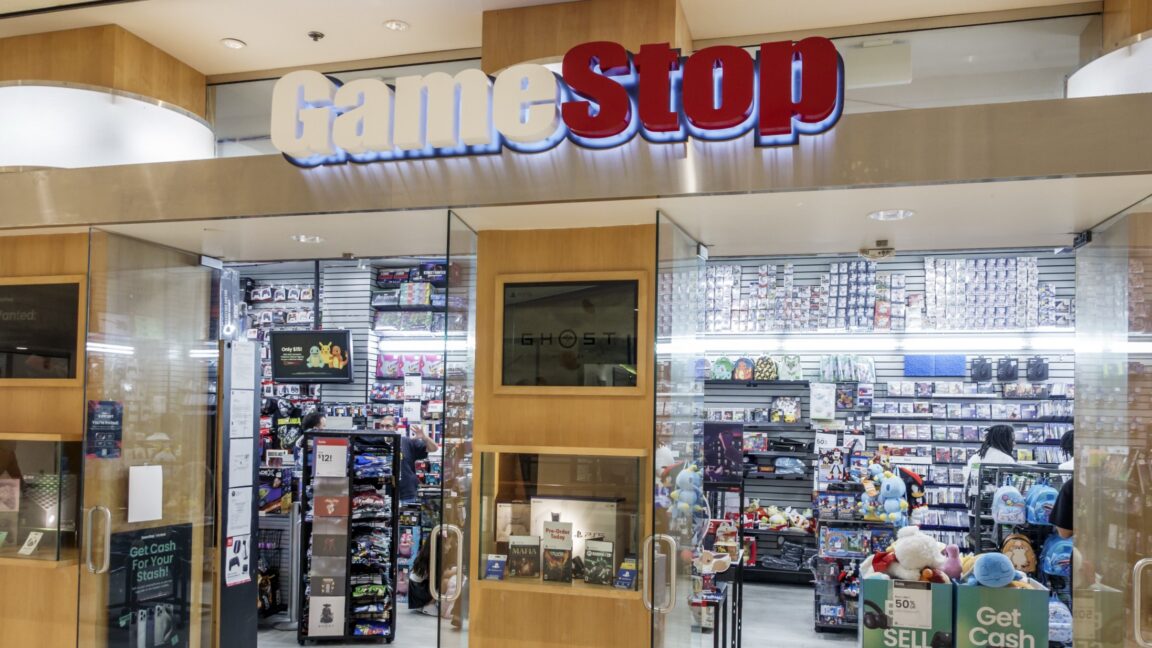
GameStop's Board Chair and CEO, Ryan Cohen, personally penned a letter to eBay Chairman Paul Pressler, outlining the terms of the proposal. According to the letter, GameStop believes that eBay has underperformed its potential, pointing to excessive spending on sales and marketing. The acquisition would aim to combine GameStop's physical retail network with eBay's digital marketplace. Cohen specifically mentioned that GameStop’s roughly 1,600 U.S. locations could provide eBay with a national infrastructure for authentication, intake, fulfillment, and live commerce — areas where eBay currently relies on third parties or less efficient systems.
The offer is structured as a mix of cash and stock. GameStop has stated it intends to secure debt financing to support the cash portion, though the company has not disclosed specific terms or lenders. The total consideration of $55.5 billion implies a substantial premium over eBay's current market value, although eBay's market capitalization remains more than four times that of GameStop itself. This disparity immediately raises questions about how the much smaller company can finance such a large acquisition.
Funding Skepticism and Feasibility
Financial analysts have expressed deep skepticism about the viability of GameStop's offer. The company's own market cap is roughly a quarter of eBay's, meaning any all-stock deal would have to be heavily dilutive. A cash-and-stock combination requires either a massive infusion of debt or the sale of significant equity. GameStop has not provided details about its debt financing arrangements, leading many to wonder whether such funding can be secured at reasonable terms given the company's volatile stock price and relatively modest cash reserves.
Key concerns include:
- Valuation gap: eBay’s market cap exceeds $50 billion, while GameStop hovers around $12-15 billion. Even with debt, the stock portion would likely leave eBay shareholders with a minority stake in the combined entity.
- Debt load: GameStop would need to borrow tens of billions, increasing its leverage dramatically. Rising interest rates and the company’s credit profile make such borrowing expensive and risky.
- Regulatory hurdles: A combination of a major physical retailer with a dominant online marketplace could face antitrust scrutiny, especially if the merged entity controls a large share of certain product categories.
Despite these obstacles, GameStop insists that the strategic logic justifies the financial challenge. The company believes that pairing eBay’s 132 million active buyers with GameStop's physical footprint will unlock cost savings and revenue growth that are not reflected in eBay’s standalone valuation.
Potential Synergies: Physical + Digital
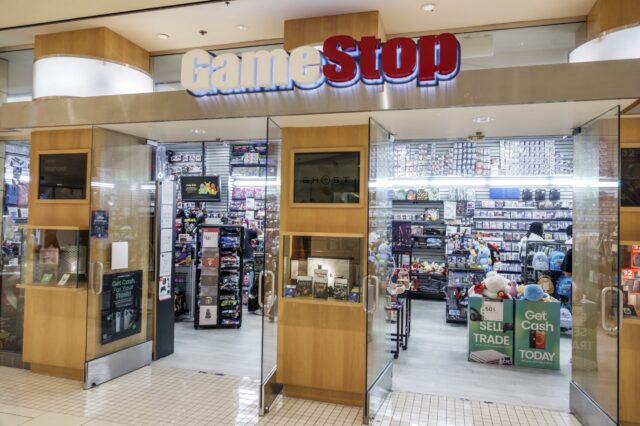
Cohen’s letter laid out a vision where eBay’s online platform seamlessly integrates with GameStop’s retail stores. The idea is that GameStop’s locations can serve as drop-off points for sellers, collection centers for returns, and hubs for authentication services — a service eBay has invested in heavily for luxury goods and collectibles. For example, a seller could list an item on eBay and then bring it to a local GameStop store for verification and packaging before the item is shipped to the buyer. This would enhance trust and speed, potentially boosting eBay’s competitiveness against Amazon and other platforms.
GameStop also highlights “live commerce” as a new frontier, which would combine the in-store experience with online streaming for auctions or real-time sales events. By leveraging GameStop’s store network and staff, eBay could offer a hybrid model that neither company can execute alone. However, critics note that such synergies are unproven and require major operational changes at both companies. Additionally, GameStop’s core business — video game retail — is already under pressure from digital downloads and streaming, raising doubts about the company's ability to manage a massive integration.
Conclusion: A Long Shot or a Masterstroke?
The unsolicited offer from GameStop to buy eBay is one of the most aggressive and unexpected moves in recent retail history. While the strategic narrative of combining physical and digital commerce is compelling, the execution risks and financing hurdles are enormous. eBay’s board is expected to review the proposal carefully, but given the doubt about GameStop’s ability to pay, the offer may be dismissed or used as leverage to seek alternative deals. For now, investors and industry observers are left watching to see whether Ryan Cohen can persuade the market that this bold bet is more than just another memestock maneuver.
For further reading on related topics, see our analysis of funding challenges and synergy opportunities.